
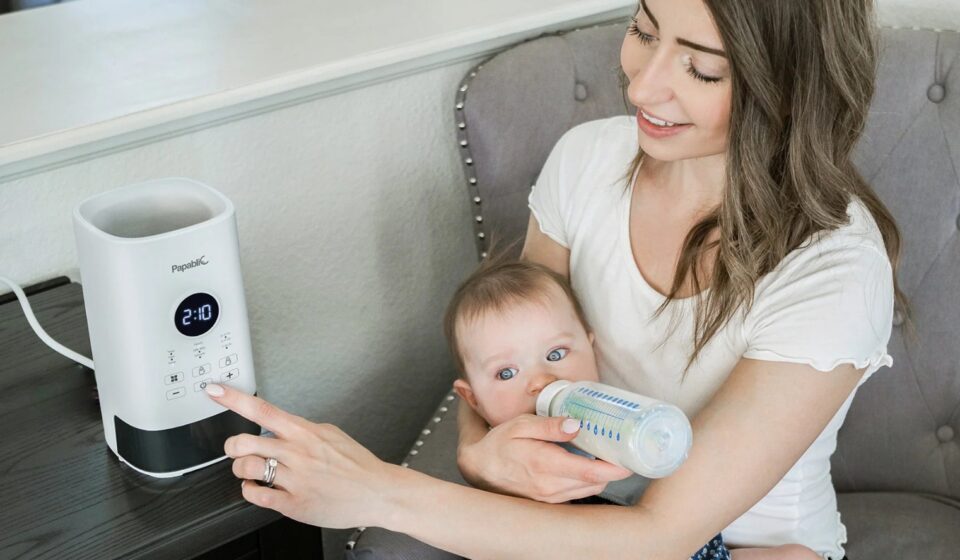

Breast milk is an important source of nutrition for babies, providing essential nutrients and protective components that support healthy development. A feeder warmer can make feeding more convenient by gently warming expressed milk to a comfortable temperature. However, safe use depends on the warming method, temperature control, and proper milk handling. Excessive heat may affect certain beneficial components of breast milk, while uneven heating can create hot spots that may burn a baby’s mouth. Understanding the benefits, limitations, and safety precautions associated with a feeder warmer helps parents make informed decisions. With proper care, expressed breast milk can be warmed safely when necessary.
What Is a Feeder Warmer?
A feeder warmer, also known as a baby bottle warmer, is a device designed to warm milk in a feeding bottle or suitable container. Most models use warm water or controlled heating to raise the milk temperature gradually. Some appliances include adjustable temperature settings, automatic shut-off functions, and options for different bottle sizes. These features can simplify feeding routines, particularly when expressed breast milk has been stored in a refrigerator. Before purchasing a feeder warmer, checking whether the appliance is suitable for breast milk, compatible with the bottle material, and easy to clean can help support safe and convenient use.
Is a Feeder Warmer Safe for Breast Milk?
Yes, a feeder warmer can be safe for breast milk when used correctly according to the manufacturer’s instructions. Gentle warming can bring refrigerated milk to a comfortable temperature without exposing it to excessive heat. However, breast milk does not need to be warmed before feeding. Cold or room-temperature milk is generally suitable when the baby accepts it and the milk has been handled and stored safely. The main concerns involve overheating, uneven temperature distribution, and prolonged warming. A suitable feeder warmer can help reduce these risks, but careful handling and proper storage remain essential for maintaining milk quality and protecting infant health.
How Does Heating Affect Breast Milk?
Breast milk contains proteins, fats, vitamins, enzymes, antibodies, and other bioactive components that contribute to infant growth and immune protection. Excessive heat can reduce the activity of certain heat-sensitive components, depending on the temperature and duration of exposure. Gentle warming helps limit unnecessary heat exposure while making milk comfortable for feeding. Boiling breast milk or heating it directly on a stove is not recommended. Microwaves should also be avoided because uneven heating can produce hot spots even when the bottle feels cool on the outside. A properly operated feeder warmer provides a practical alternative for gradually warming expressed milk.
How to Use a Feeder Warmer Safely
Correct operation is essential for safe breast milk warming. Each feeder warmer has specific instructions covering water levels, heating times, bottle compatibility, and cleaning requirements. Following these instructions helps prevent overheating and reduces the risk of burns.
Follow these practical steps:
1. Wash hands thoroughly before handling expressed breast milk.
2. Check the bottle for damage, leaks, or contamination.
3. Place the sealed bottle inside the warmer according to the manufacturer’s instructions.
4. Select the appropriate breast milk setting, if available.
5. Warm the milk gently without extending the recommended heating cycle.
6. Remove the bottle carefully and gently swirl the milk to distribute the temperature evenly.
7. Test a few drops on the inside of the wrist before feeding. The milk should feel lukewarm rather than hot.
A clean thermometer can provide an additional temperature check when appropriate. Avoid vigorous shaking, boiling, and repeated reheating.
Can a Feeder Warmer Damage Breast Milk Nutrients?
A feeder warmer used correctly can limit unnecessary heat exposure compared with high-temperature methods such as boiling. However, no warming method can guarantee that every heat-sensitive component remains completely unchanged. The effects of heating depend on the temperature, duration, and warming method. Excessive heat can reduce the activity of certain proteins and immune-related components. Gentle warming is therefore preferable when warming is necessary. Breast milk remains valuable when served cold or at room temperature, provided safe storage and handling practices have been followed. Warming only the amount needed for a feeding can also help reduce waste and avoid unnecessary reheating.
How Long Is Breast Milk Safe After Warming?
Safe storage is just as important as selecting an appropriate feeder warmer. According to the Centers for Disease Control and Prevention (CDC), breast milk should be used within two hours after being brought to room temperature or warmed. Previously frozen milk that has thawed in the refrigerator can generally remain refrigerated for up to 24 hours after complete thawing. Leftover breast milk from a feeding should be used within two hours after the baby finishes feeding; any remaining milk should be discarded after that period. Avoid leaving milk in a warmer for extended periods, as prolonged warming can encourage bacterial growth. Clear storage labels and careful attention to timing can help maintain safe feeding practices.
Important Safety Precautions for Bottle Warming
A feeder warmer should be operated on a stable, dry surface away from the edge of a table. Electrical cords, hot water, and heating components must remain out of children’s reach. Bottles should be compatible with the appliance, and all cleaning instructions should be followed. Additional precautions can help reduce common feeding risks.
· Never leave a warming appliance unattended during operation.
· Avoid using damaged bottles or faulty electrical equipment.
· Do not touch hot water or heating surfaces immediately after a warming cycle.
· Clean the warmer regularly according to the manufacturer’s instructions.
· Avoid repeatedly warming and cooling the same milk.
· Never use a microwave or direct stovetop heat for breast milk.
These measures help reduce the risk of burns, contamination, and unnecessary heat exposure.
How to Choose the Right Feeder Warmer
Selecting a suitable feeder warmer involves evaluating safety features, temperature control, bottle compatibility, and ease of cleaning. An automatic shut-off function can help prevent prolonged heating, while clearly marked controls make everyday use simpler. Models with adjustable settings may accommodate different milk volumes and bottle sizes. Before purchasing, check whether the product specifically supports breast milk warming and whether the instructions explain the recommended heating process. Customer reviews can provide useful information about convenience and reliability, but manufacturer guidance should remain the primary reference for safe operation. A practical, easy-to-maintain model may be more useful than an appliance with complicated functions that are rarely needed.
Can Breast Milk Be Warmed Without a Feeder Warmer?
Yes, a feeder warmer is optional. Breast milk can be served cold or at room temperature if the baby accepts it and storage guidelines have been followed. For gentle warming, place a sealed bottle in a container of warm water or hold it under lukewarm running water. Keep the bottle sealed and prevent water from entering the milk. Gently swirl the bottle to mix separated fat, then test a few drops on the inside of the wrist before feeding. Avoid boiling water, direct heat, and microwave heating. This simple alternative can be useful when a bottle warmer is unavailable, while maintaining appropriate hygiene and safe milk handling.
Explore Baby Feeding Essentials at Bachaa Party
Bachaa Party offers a convenient shopping destination for children’s products, baby-care essentials, toys, and family shopping needs. Parents preparing a feeding routine can explore available products and compare practical features before making a purchase. When searching for a feeder warmer, checking temperature controls, automatic shut-off functions, bottle compatibility, cleaning requirements, and current availability is important. Reviewing product descriptions helps identify items suited to household needs and everyday feeding routines. Bachaa Party adds value by bringing a variety of children’s and family products together in one place, helping simplify the shopping process. Confirming product specifications, prices, and delivery details before ordering supports a more informed purchase decision.